
Contents
When it comes to structural drying, understanding the extent of water damage is vital. You’ll need to assess affected areas using moisture meters and thermal imaging. After that, effective water extraction methods are necessary to remove standing water. But that’s just the beginning. Properly utilizing dehumidifiers and air movers can greatly enhance the drying process. As you implement these strategies, you’ll want to keep a close eye on moisture levels to prevent any unpleasant surprises.
Key Takeaways
- Conduct thorough moisture assessments with visual inspections and moisture meters to identify affected areas before starting the drying process.
- Use high-capacity pumps for significant water extraction and wet vacuums for smaller, localized areas to prevent water redistribution.
- Position dehumidifiers at optimal settings (30-60% humidity) and direct air movers to enhance airflow and promote effective evaporation.
- Regularly monitor moisture levels using hygrometers and adjust drying strategies based on findings to ensure consistent progress.
- Maintain proper air circulation and keep humidity below 60% to prevent mold growth during the drying process.
Assessing the Extent of Water Damage
Evaluating the extent of water damage is essential for effective structural drying. You’ll want to employ reliable assessment techniques to determine the severity of the incident.
Begin by visually inspecting affected areas and noting any visible signs of moisture, such as discoloration or warping. Use moisture meters to quantify the water content in materials like drywall, wood, and flooring. These tools help you identify hidden moisture pockets that could lead to further damage if not addressed.
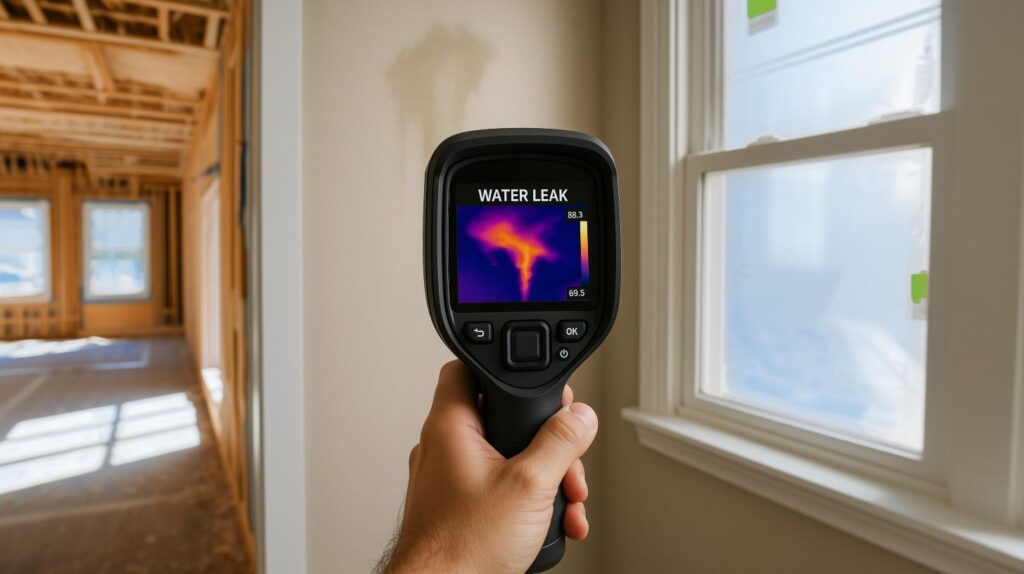
Additionally, thermal imaging cameras can reveal temperature variations indicative of moisture presence, allowing for a more thorough evaluation.
Document your findings meticulously, as this will guide your remediation efforts and ensure all affected areas receive proper attention. By conducting a detailed assessment, you facilitate effective drying and foster a sense of security and community among those affected, reinforcing the importance of prompt and informed action.
Implementing Effective Water Extraction Methods
To effectively remove standing water and reduce humidity levels, you must implement appropriate water extraction methods. Start by selecting the right equipment for your specific situation. High-capacity pumps are essential for large volumes of water, while wet vacuums are ideal for smaller areas. Verify your equipment is in good condition and calibrated for maximum performance.
When extracting water, prioritize areas with the most significant saturation first. Use a systematic approach, moving from one section to another to prevent water from redistributing. Monitor moisture levels throughout the process; this helps you gauge effectiveness and adjust methods as needed.
Don’t overlook the importance of safety. Always wear protective gear and verify proper ventilation in the work area.
Utilizing Dehumidifiers and Air Movers
Dehumidifiers and air movers are essential tools in the structural drying process, working together to reduce moisture levels and enhance airflow.
To maximize their effectiveness, it’s important to adjust your dehumidifier settings based on the specific environment. For instance, set the dehumidifier to a lower humidity level, ideally between 30-60%, to expedite moisture removal.
Simultaneously, proper air mover placement is critical; position these devices to create a circular airflow pattern. This ensures that moist air is continuously directed toward the dehumidifier, promoting efficient evaporation.
Place air movers in various rooms to cover larger areas, focusing on corners and areas with stagnant air.
Monitoring and Measuring Moisture Levels
After establishing effective airflow and moisture removal with dehumidifiers and air movers, the next step involves closely monitoring and measuring moisture levels throughout the affected areas.
You’ll want to utilize moisture detection tools, such as moisture meters and hygrometers, to accurately assess the drying progress. Regularly check the moisture content in various building materials, including wood, drywall, and concrete. This ensures you’re achieving optimal humidity control, preventing any hidden pockets of moisture from forming.
Document your findings consistently; this will help you identify trends and make informed decisions regarding the drying process. If moisture levels remain elevated, adjust your dehumidification strategy accordingly.
Preventing Mold Growth During the Drying Process
As moisture levels decrease during the drying process, it’s vital to stay vigilant about preventing mold growth, which can thrive in damp environments.
To effectively mitigate this risk, employ proactive mold prevention strategies alongside your drying techniques. Start by ensuring proper air circulation; use fans to promote airflow and facilitate evaporation.
Keep indoor humidity below 60% by utilizing dehumidifiers, which are important in controlling moisture levels. Regularly inspect hidden areas, like behind walls and under flooring, where moisture may linger.
Incorporate antimicrobial treatments on surfaces prone to mold growth, as they can inhibit spore development.
Additionally, maintain a clean environment; remove any organic materials that could serve as a food source for mold.
Review
Mastering moisture management is vital for effective structural drying. By evaluating damage, extracting water, and utilizing dehumidifiers and air movers, you can create a drying dynamic that deters destructive mold growth. Regularly monitoring moisture levels ensures you’re on track to a successful, swift, and secure drying process. Remember, a proactive approach paves the way for a pristine, problem-free environment. Embrace these effective tips to safeguard your structure and enhance its longevity.
Recent Posts
5 Best Structural Drying Techniques for Flood Recovery
Flood recovery isn’t just about drying out; it’s a complex science that can make or
Top Structural Drying Techniques for Flood Recovery
When faced with flood recovery, understanding top structural drying techniques is essential. Effective drying speeds
Top 5 Structural Drying Methods for Flood Damage
When dealing with flood damage, selecting the right structural drying method is essential for effective