
Improper drying can lead to more damage and increased health risks from mold growth. To effectively tackle structural drying, you need a strategic approach that includes evaluating water damage, ensuring proper airflow, and monitoring progress. Each step plays a vital role in achieving ideal results. Let’s explore these key tips to enhance your drying process and prevent future complications.
Once you’ve covered the basics, a deeper understanding of the drying process can help you avoid these problems. Learn more about mastering structural drying after water damage.
Key Takeaways
- Identify and classify the water source and damage type to tailor drying strategies effectively.
- Implement proper airflow techniques by positioning fans for optimal cross-ventilation and circulation.
- Utilize dehumidifiers in the dampest areas and ensure unobstructed air intake for maximum efficiency.
- Regularly monitor moisture levels with hygrometers to assess drying progress and adjust equipment as needed.
- Engage with professionals for insights and stay updated on best practices for effective structural drying.
Assess the Extent of Water Damage
Before you begin any drying process, it’s essential to evaluate the extent of water damage. Start by identifying the water source—whether it’s a burst pipe, flooding, or a leak. Understanding this will guide you in damage classification, which typically falls into three categories: clean water, grey water, and black water. Each type poses different risks and requires specific handling procedures.
Once you classify the damage, inspect affected areas thoroughly. Use moisture meters to gauge the saturation levels in walls, floors, and ceilings.
Pay attention to hidden spaces, like behind cabinets or in crawl spaces, where moisture can linger unnoticed. Document your findings with photographs and notes, as this can be invaluable for insurance claims and future reference.
Implement Proper Airflow and Dehumidification
After evaluating the extent of water damage, it’s time to focus on airflow and dehumidification, both of which are vital for effective drying.
Start by employing proper airflow techniques to facilitate moisture evaporation. Position fans strategically to create a cross-ventilation effect, ensuring that air circulates freely throughout the affected area. This helps to prevent stagnant air pockets where moisture can linger.
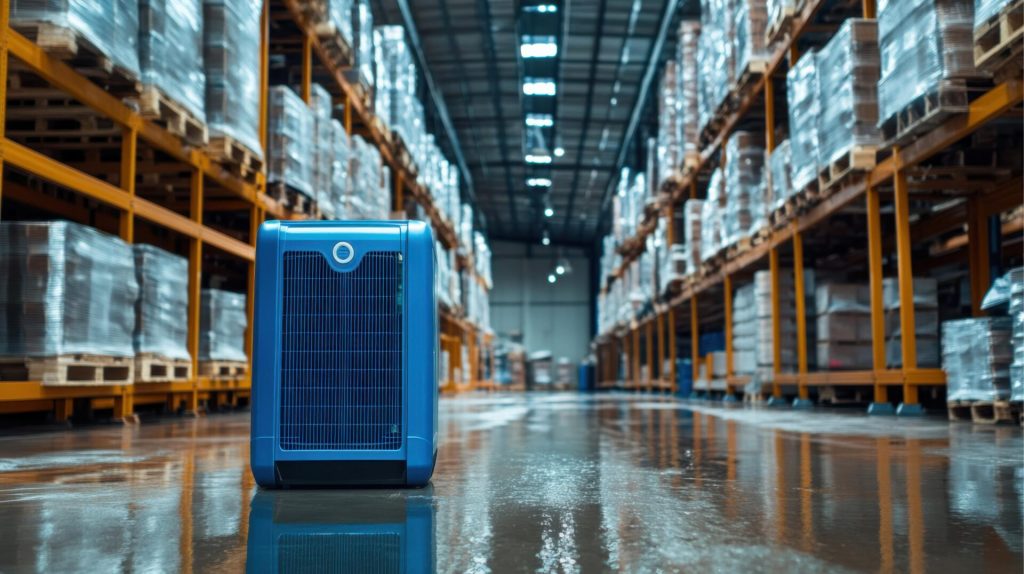
Next, consider dehumidifier placement. Place dehumidifiers in the most damp areas to maximize their efficiency; they’ll remove moisture from the air, accelerating the drying process. Make sure that the air intake is unobstructed to maintain peak performance.
It’s essential to monitor the environment regularly, adjusting fan and dehumidifier placements as needed.
Businesses face the same drying challenges on a larger scale, often with added pressure to reopen quickly. Learn more about our commercial restoration services.
Monitor and Maintain Drying Progress
As you progress with the drying process, it’s crucial to consistently monitor moisture levels and adjust your methods accordingly. Regular moisture measurement is critical; use a reliable hygrometer or moisture meter to track the levels in affected materials. This data helps you evaluate the effectiveness of your drying techniques, ensuring that you’re on the right path.
If moisture levels remain high, consider enhancing your drying methods by repositioning dehumidifiers or fans to optimize airflow. Conversely, if the moisture readings drop considerably, you might reduce equipment usage to prevent over-drying, which can damage materials.
Engaging with professionals or peers in the field can also provide valuable insights into effective monitoring strategies.
Want more ideas beyond these three? Learn more about additional structural drying tips.
Recap
Swift and strategic structural drying can greatly reduce damage and restore your space. By evaluating water damage, applying adequate airflow, and actively monitoring moisture levels, you’re setting the stage for successful, speedy drying. Remember, the key lies in your commitment to consistent care and attention. So, stay savvy, stay systematic, and ensure every corner dries thoroughly. With these techniques, you’ll conquer moisture and protect your property effectively.